QVR
Quinquennial Valuation Records
Five-year property valuation records for fair taxation and transparent revenue governance. Manage valuation cycles, connect property data, support tax assessment, handle objections, and improve public revenue administration.
Why It Matters
Without a modern QVR system, governments face outdated records, revenue leakage, disputes, and reduced public trust in property tax administration
Property values change over time due to urban development, infrastructure improvements, market activity, land use changes, construction, and economic growth. Governments need a reliable and periodic valuation process to ensure that property tax assessments remain fair, current, and defensible.
What It Delivers
A digital platform for five-year valuation record management
Our QVR solution supports the full lifecycle of Quinquennial Valuation Records — from property data preparation and valuation assessment to publication, objections, revisions, billing integration, and long-term record maintenance.
Core Value
Fair valuation. Predictable cycles. Stronger revenue accountability.
QVR gives governments a structured and repeatable framework for managing property valuation records every five years, ensuring assessments are more accurate, transparent, and aligned with current property conditions.
Periodic valuation updates
Fairer property tax assessment
Improved revenue forecasting
Better linkage between valuation and taxation
Transparent publication of valuation records
Structured objection handling
Stronger accountability in local revenue administration
Key Benefits
Designed for fairness, transparency, and periodic revenue governance
Five-Year Cycle Management
Manage the full quinquennial valuation process from preparation to publication and revision.
Fairer Property Taxation
Use updated valuation records to support more equitable property tax assessment and billing.
Improved Revenue Accuracy
Reduce revenue leakage caused by outdated, missing, or undervalued property records.
Transparent Public Process
Support valuation notices, public review, objections, appeal tracking, and final roll publication.
Better Data Quality
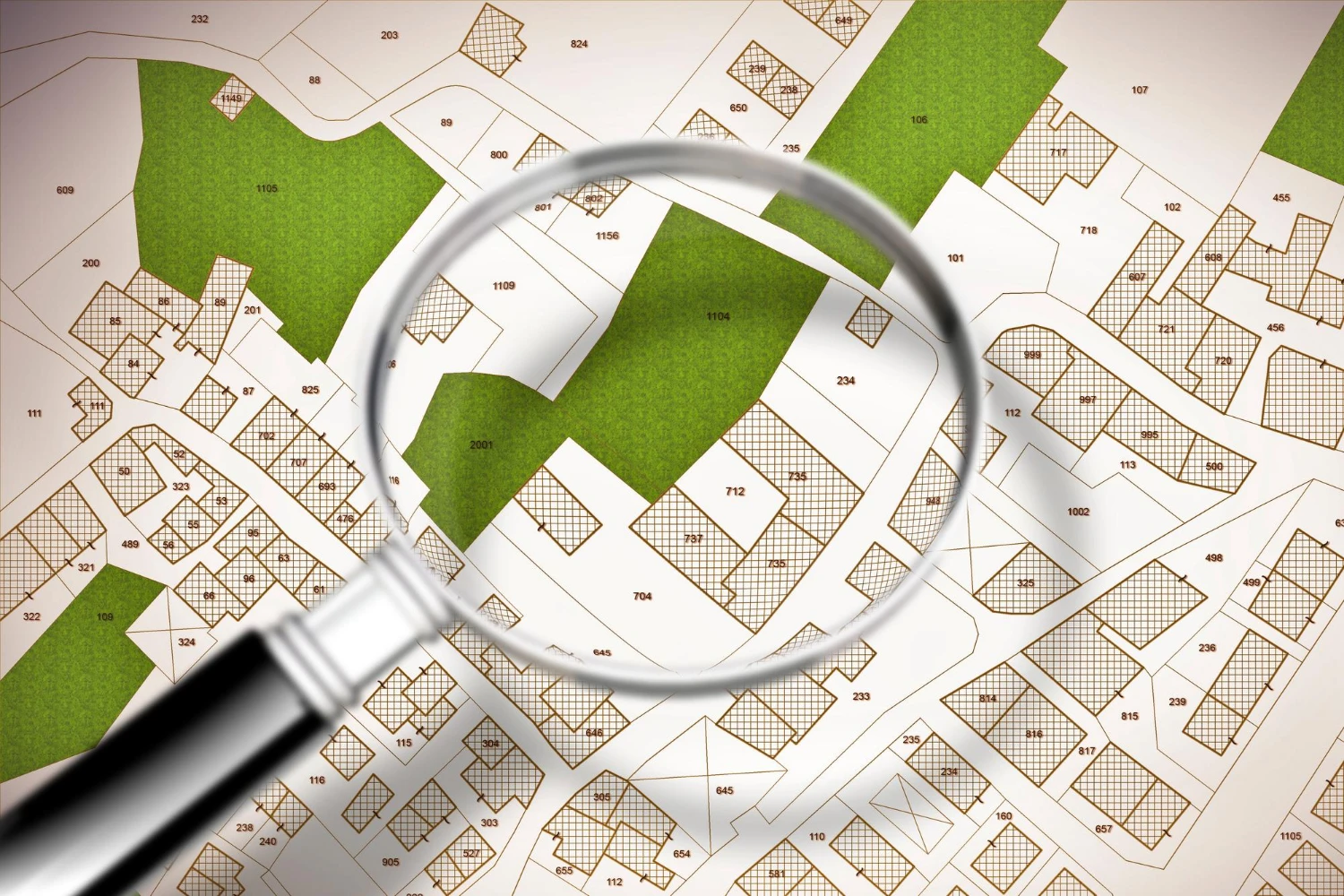
Connect valuation records with parcel data, ownership records, cadastral maps, property attributes, and inspection results.
Stronger Billing Integration
Link approved valuation records directly to property tax assessment and billing workflows.
Key Capabilities
Built for Quinquennial Valuation Records management
Five-Year Cycle Setup
Define valuation periods, revision timelines, publication dates, objection windows, and approval milestones.
Valuation Roll Creation
Create and maintain valuation records for taxable properties across municipalities, districts, or national jurisdictions.
Property & Parcel Integration
Link QVR records with land registry, cadastral maps, ownership data, addresses, land use, and property attributes.
Field Inspection Workflows
Support property surveys, mobile data collection, photos, building details, condition assessment, and field validation.
Methodology Configuration
Define valuation rules, property categories, zones, coefficients, adjustment factors, and assessment criteria.
Review & Approval Workflows
Route draft valuations through review, validation, supervisory approval, publication, and finalization.
Valuation Notice Generation
Generate property valuation notices for public communication and taxpayer awareness.
Objection & Appeal Management
Manage objections, supporting evidence, hearings, reassessments, decisions, and final outcomes.
Revision & Correction Management
Handle corrections, updates, omissions, objections, and officially approved changes during the valuation period.
Final Roll Publication
Support publication of draft and final valuation rolls with controlled access and audit trails.
Tax Billing Integration
Connect approved QVR values with property tax assessment, billing, payment, and revenue systems.
Dashboards & Analytics
Track valuation coverage, objections, revenue impact, property categories, valuation changes, and revision status.
Implementation
From valuation cycle planning to final roll publication
We support governments through every stage — from assessment and methodology design to data preparation, platform configuration, publication, and ongoing cycle maintenance.
Assessment & Cycle Review
Review existing valuation rolls, property records, cadastral data, legal requirements, tax linkages, and five-year cycle timelines.
QVR Model & Methodology Design
Define property categories, valuation rules, zones, coefficients, data requirements, objection periods, and governance procedures.
Data Preparation & Integration
Clean, validate, and connect parcel, ownership, building, land use, market, cadastral, and taxpayer data.
Platform Configuration
Configure valuation records, cycle timelines, workflows, field inspection tools, notices, dashboards, reports, and approval rules.
Draft Valuation Roll Preparation
Generate draft valuation records and support internal review, validation, and correction.
Publication & Objection Handling
Publish valuation notices, manage public review, process objections, record decisions, and update valuation records.
Final Roll Approval & Billing Integration
Approve the final QVR and connect it with property tax assessment, billing, payment, and revenue systems.
Continuous Cycle Maintenance
Manage corrections, revisions, new properties, ownership updates, and approved changes until the next quinquennial cycle.
Get Started
A trusted five-year valuation foundation for property revenue governance
We help governments deploy QVR systems that are secure, scalable, interoperable, and ready for real-world valuation and revenue operations.